Why Your Nose Looks Different in Photos: Camera Distance and Rhinoplasty Planning
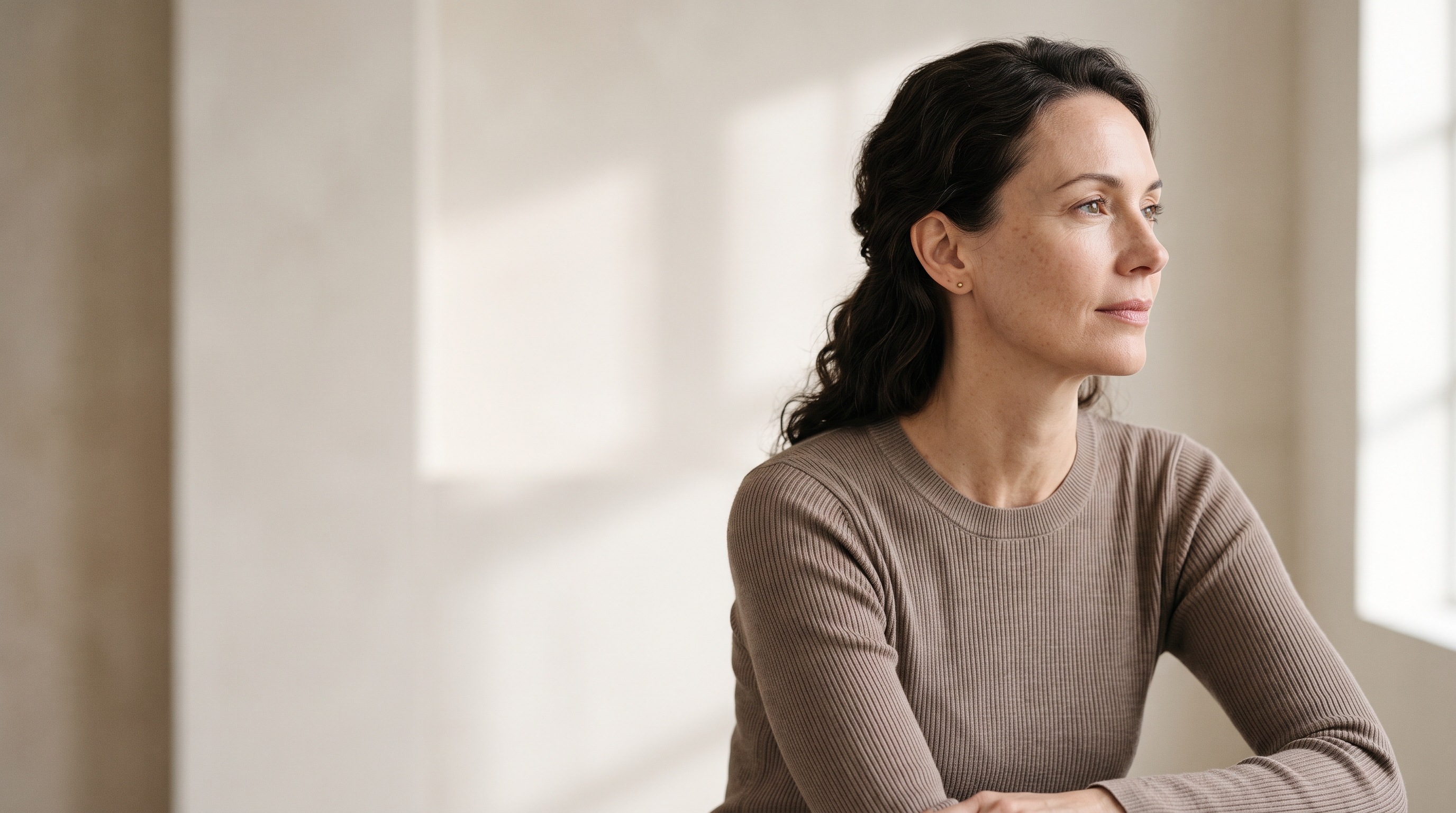
A close-up selfie, a portrait taken across the room, and a mirror reflection can make the same nose look surprisingly different. That does not mean your face has changed. It usually means the viewing conditions have.
Understanding camera distance and perspective is useful when you are exploring rhinoplasty ideas, preparing reference photos, or comparing an AI preview with your everyday appearance. It can help you focus on stable goals rather than reacting to one unflattering frame.
Why a nose can look different from photo to photo
A photograph converts a three-dimensional face into a flat image. The result depends on several variables:
- how close the camera is to the face;
- where the camera sits relative to eye level;
- whether the head is turned, tilted, or leaning;
- the lens and crop used to frame the image;
- lighting direction and intensity; and
- facial expression.
The nose projects toward the camera, so it is especially sensitive to perspective. At a short camera-to-face distance, features closest to the lens occupy a larger share of the frame while the ears, cheeks, and sides of the face appear relatively farther away. This can make the central face look more prominent.
A mathematical modeling study published in JAMA Facial Plastic Surgery estimated that photographs taken at about 12 inches could make the nasal base appear nearly 30% wider relative to facial width than photographs taken at about five feet. The exact effect in any real photo varies, but the takeaway is practical: a close selfie is not a neutral measurement of facial proportions.
Camera distance matters more than the lens label
People often blame a “wide-angle lens,” but distance is the central issue. A wide lens encourages the photographer to move closer in order to fill the frame. A longer lens usually requires more distance. When two images are taken from the same position and cropped to the same framing, their perspective is substantially more similar than many people expect.
For face photos, stepping back and using moderate zoom can therefore produce a more natural-looking relationship among the nose, cheeks, chin, and ears. It is not a way to find the single “true” version of your face. Human vision is dynamic: people see you from changing distances, from different angles, and with both eyes. A useful photograph is simply a consistent representation rather than a verdict.
Selfies are useful, but not ideal planning records
Selfies are convenient for capturing an idea, hairstyle, or makeup reference. They are less reliable for judging subtle nasal proportions because the phone is usually held close and may be above, below, or off to one side. Front-facing cameras can also apply corrections, mirroring, portrait effects, or processing that differ by device and settings.
This does not make selfies “bad.” It means they should not carry more authority than they deserve. If one selfie suddenly makes the tip, bridge, or nostrils look different, compare it with images made at a greater distance before drawing conclusions.
The same caution applies to social media images. Cropping, filters, retouching, expression, focal distance, and lighting can all change perception. A reference photo can communicate an aesthetic direction, but it cannot show what is technically appropriate or achievable for another person’s anatomy.
How to create a more consistent rhinoplasty photo set
For personal planning or an initial consultation discussion, consistency is more helpful than glamour. A simple set can include a front view, both side profiles, and both three-quarter views.
Keep the setup repeatable
Use a plain background and soft, even light. Place the phone or camera around face height rather than pointing sharply up or down. If possible, ask another person to take the images while standing several feet away, or use a stable support and timer. Moderate optical zoom can help maintain framing without moving the camera close.
Keep posture and expression neutral
Stand or sit upright, look straight ahead for the front view, and avoid pushing the chin forward or pulling it back. Use a relaxed expression. For profile images, turn the whole head rather than moving only the eyes. Small posture changes can alter the apparent relationship between the nose, lips, and chin.
Preserve the original image
Avoid beauty filters, face reshaping, skin-smoothing tools, and portrait effects that blur facial edges. Keep an unedited copy. If you crop images, do so consistently, and do not treat pixels as precise anatomical measurements unless a qualified clinician has created a standardized medical-photography setup.
Label context outside the image
In your own notes, record whether an image is a selfie or rear-camera portrait and approximately how far away it was taken. This helps explain differences without adding markings to the photo itself.
Using consistent photos for an AI nose-job preview
An AI preview can be a low-pressure way to explore a softer bridge line, a different tip impression, or overall profile balance. You can explore aesthetic concepts through Try Plastic Surgery and browse broader ideas on the aesthetic trends and procedure exploration page.
Better source photos generally make the exercise easier to interpret. Start with a clear, evenly lit image in which the whole nose and facial outline are visible. Compare one change at a time rather than stacking many edits. Then review the idea across more than one angle. A profile concept that looks balanced from the side may raise different questions from the front or three-quarter view.
Most importantly, an AI preview is illustrative entertainment and a conversation aid—not a surgical simulation, prediction, medical evaluation, or guaranteed result. It cannot assess skin thickness, internal nasal structures, breathing, healing, surgical technique, or the limits imposed by anatomy. The purpose is to improve the vocabulary of your questions, not to prescribe an outcome.
What to compare instead of chasing a “perfect” photo
When reviewing images, look for themes that remain meaningful across several consistent views:
- Area of interest: Is your question about the bridge, tip, nostrils, or the relationship between the nose and the rest of the profile?
- Direction rather than exact shape: Are you exploring less prominence, a different tip position, or a smoother transition rather than copying another person’s nose?
- Multiple angles: Does the idea still make sense from the front, profile, and three-quarter views?
- Identity: Does the concept feel compatible with the features and personal or cultural characteristics you want to preserve?
- Function: Are there breathing concerns or prior injuries that need a clinical evaluation rather than a visual tool?
No nose type is universally ideal, and symmetry is not a requirement for attractiveness or confidence. A useful planning process should support your preferences without implying that you need to change your appearance.
Bring photo differences into the consultation
If you are considering rhinoplasty, bring several consistent, unfiltered photos as well as a few examples that confuse you. A qualified board-certified plastic surgeon can explain which differences are caused by perspective, expression, or lighting and which reflect anatomy. They can also examine nasal function and discuss realistic tradeoffs.
Useful questions include:
- Which of my photos best represents the proportions you evaluate in person?
- How do you standardize clinical photographs?
- Which goals appear compatible across the front and profile views?
- What anatomical or functional factors limit those changes?
- How should I interpret computer morphs or AI previews?
- What risks, recovery stages, and possibility of revision apply to the proposed approach?
Candidacy, risks, recovery, and treatment decisions require an in-person or appropriately conducted consultation with a qualified board-certified plastic surgeon. General photographs and online tools cannot determine whether a procedure is suitable for you.
Conclusion
Your nose may look different in a selfie because cameras record perspective, not because one frame reveals a hidden truth. Greater camera distance, neutral positioning, even light, and multiple views create a more consistent foundation for personal exploration and consultation questions.
Use reference images and AI previews to describe a direction, not to demand an exact copy or predict a result. The most useful next step is a balanced conversation that combines your preferences with a qualified surgeon’s examination of anatomy, function, risks, and realistic options.